Showing posts with label chemicals. Show all posts

Friday, February 21, 2014

Dietary Toxins and Eating Well

While I normally focus on toxins in personal care products and the environment, I've decided to take a look at toxins and harmful chemicals in the food we eat. This is a collaborative post with a wonderful blogger, Jessica David of Conveying Awareness with Jessica David.

photo credit: <a href="http://www.flickr.com/photos/bwind3/2343142046/">Bradley Wind</a> via <a href="http://photopin.com">photopin</a> <a href="http://creativecommons.org/licenses/by-nc-sa/2.0/">cc</a>

To begin with, let's short list of some chemicals that we need to avoid in the food we eat.
  • Mercury in fish: The dangers of mercury exposure include fatigue, memory problems, mercury poisoning, and dangers to the developing fetus.
  • Artificial dyes: These are a color followed by a number, for example, Red 3. These dyes have been linked to behavioral problems in children and cancer.
  • Sodium nitrate: Found in processed foods like hot dogs, bacon and sausage, sodium nitrate gives these foods their red tint. Sodium nitrates leads to an increase of nitrosamines in your body, which can lead to cancer. 
  • Bisphenol A ( BPA): Often found in the lining of canned foods and beverages. It is estrogenic and can also leach from plastic. BPA has been linked to diabetes and heart disease. 
  • Polychlorinated biphenols (PCBs): These are industrial coolants that can be found in farm-raised fish and are known endocrine disruptors and carcinogens. 
  • Dioxins: Dioxins are contaminants formed during combustion and industrial processes. For example, trash burning, forest fires, incineration, herbicide manufacturing, and paper pulp bleaching. Dioxins can also be found in farm-raised fish and in the fatty tissues of animals that have been exposed to dioxins. The risks of dioxin exposure include, reproductive & developmental problems, an increased risk of diabetes and heart disease, and cancer. 
  • Hydrogenated oils: Oils are long, often branched chains of carbon and hydrogen that are liquid are room temperature. The branches are caused when there are carbon to carbon double bonds. Scientists can go into the lab and add hydrogen atoms to these double bonds to break them and make the molecule more stable. This is a hydrogenated oil. They are used to increase the shelf life of food products, but have been linked to diabetes and heart disease.
  • Artificial sweeteners: Aspartame is probably the most famous artificial sweetener. It has been linked to headaches, dizziness and neuronal damage. Recently, another artificial sweetener, Splenda (sucralose) was linked to the release of cancer-causing chemicals when cooked & baked.
  • GMOs: GMOs are genetically modified organisms. They are created when scientists take the genes from organism/species A and put them into unrelated organism/species B. We were told that GMOs would help alleviate the problem of world hunger, but instead, GMOs have largely been used to increase the consumption of pesticides (The Link Between GMOs and Pesticides). Studies on the safety of GMOs have largely come from the companies that produce GMOs, who have a vested interest in the outcome of those studies. While more independent scientific studies are needed on the safety of GMOs on humans, experiments from farmers show that animals prefer non-GMO food. One scientific study on rats, showed lifetime exposure to Roundup Ready GM corn lead to tumors, multiple organ damage and death. 
  • Pesticides: Conventional farming relies heavily on pesticides. Pesticides have been linked to endocrine disruption, infertility, neurological damage and cancer. The most widely used pesticide, atrazine, has been extensively studied by Dr. Tyrone Hayes of UC Berkeley. He used to work for the company that made the pesticide, Syngenta, but when he tried to publish a paper on the negative effects of the product, they stopped him. Syngenta has been trying to stop him ever since. His website can be found here. Unfortunately, even organic foods are exposed to some pesticides through rain, runoff and the water table, though to a lesser extent than conventional produce.
Sources
Alternet
Care2
NIEHS

Now let's transition into how you can improve your diet to become your best you.
One of my passions is to share the benefits of eating the [real] rainbow daily and it's found in fruits and vegetables. I wasn't always like this though. It only occurred to me about 5 years ago the importance of eating more of nature's best so that I could heal some conditions that had plagued me for years. Though I have always been thin, I wasn't always healthy and I didn't know any better and guess what? I didn't care much about longevity in my 20s. It wasn't until I became a mom at age 31 that I decided to make some changes! It took another new mom to pull me aside and share with me how I could eat more fruits and vegetables and that it could be the first step in the right direction for reversing some damage done through nutrient poor food choices that I had made for many years. 

Fast forward a few years, I became a certified health coach. The seed to link arms with others in their wellness journeys was planted months after that talk with my friend. Learn more about my story here. So here I am encouraging you to strive for 5. Eat five different fruits and 5 different vegetables daily. Here are some tools to help you meet that goal. 
  
1) Download my free eGuide.  
2) Learn more about Traffic Light Eating from a L.E.A.N. perspective. 
3) Follow me on Pinterest. These boards are helpful: + Eating the Real Rainbow + Recipes Using Veggies + My recipes  
4) Join a CSA (farm-share co-op). For a listing in your area, visit Local Harvest. 
5) If it's right for you, take one of my L.E.A.N. Start online classes. 
In session three, we talk about ways to eat more of nature's best - fruits and vegetables! Info. 

In tip 2, it mentions the L.E.A.N. perspective. This is the 4 pillars of health: Lifestyle, Exercise, Attitude, and Nutrition and no matter the way you slice it (different words to describe the same concepts), we need all 4 components for our journey to wellness. World-renown pediatrician and author of nearly 40 books, Dr. Bill Sears (of the Sears Wellness Institute) teaches us that the most basic foundation of understanding nutrition is through the colors of a stoplight. Today's lesson is on the green light. The other two colors are summarized in tip two.

Green light foods are fruits and vegetables found closest to nature. If you're concerned about pesticides, other contaminants, and GMOs, purchase them organic or know your supplier. I teach that eating a variety of fruits and vegetables is key to wellness and the benefits outweigh the risks. Over time, as your pockets adjust, you will find that eating produce without *most contamination may serve you better and it will support small local farmers and their families. Knowing your supplier is key because you can support local farmers and their families that cannot afford the organic label. This also applies to getting whole food nutrients in a capsule. If the product doesn't carry the USDA Organic seal, you may also look for NSF International's seal - this means that what the product claims to have or not have in their product is the truth via NSFs third-party non-affiliated testing and certification. * Even USDA Organic foods have some contaminants. See this link for more info. 

I live in a food desert. The options for fresh, sustainable produce free of contaminants are low. There are no farmers' markets in my area so it is difficult for me to find a good variety of produce locally. I shop about twice a week to two or three stores to find the best quality of produce. It's important for me to eat a variety of produce and for specific crops, I almost always buy organic when I can (see EWG Dirty Dozen for more info, link is below). I'm thankful that there is a farm-share co-op drop off in my city. I am a subscriber to Abundant Harvest Organics and eventually, I hope to grow my own soon with a Tower Garden. 

If you want more information on which fruits and vegetables have the highest levels of contaminants, visit EWGs: The Dirty Dozen. If you'd like to know how many and what kinds of contaminants are on your produce, check out What's On My Food.  Choose, eat, and live well! =)
 
Jessica David is a Certified L.E.A.N. Health Coach and the owner and founder of Conveying Awareness providing nutrition tips via a plethora of resources. Jessica feels that through encouragement we can impart education with lasting results. She advocates for families to eat more fruits and vegetables. She lives in Ridgecrest, California with her husband and their son. Find her on Facebook, Twitter, Pinterest, and her blog.


Monday, February 17, 2014

One more reason to fight for tougher regulation of toxic chemicals.

Breastfeeding is best. We all know that. However, breastfeeding can also expose your child to toxic chemicals.
Photo Credit: <a href="http://www.flickr.com/photos/aurimas_m/3802740128/">c r z</a> via <a href="http://photopin.com">photopin</a> <a href="http://creativecommons.org/licenses/by-sa/2.0/">cc</a>

Man-made chemicals called persistent organic pollutants (POPs) are of most concern. They spread through the environment and are stored in the fatty tissues of fish and animals until they reach the top of the food chain, humans. Once in humans, they are are stored in our fat, and our fat is necessary for the production of breast milk. When a nursing mother feeds her child, these POPs are released into the breast milk. Examples of POPs include certain pesticides, dioxin, toxic metals (lead, mercury, cadmium), flame retardants and PCBs.  
 
What can mothers do?  
 
Here is a list provided by the National Resources Defense Council. 
  • "Quit smoking or never start, and keep others from smoking in your house or car
  • Avoid alcoholic beverages
  • Avoid use of pesticides in the home and garden or on pets
  • Avoid exposure to solvents, such as paints, non-water-based glues, furniture strippers, gasoline fumes, perfume and nail polish
  • Avoid dry cleaners and recently dry-cleaned clothes
  • Eat a balanced diet low in animal fats and high-fat dairy products
  • Avoid fish that may have high mercury or PCB levels, such as swordfish, shark, tuna and locally caught fish (see NRDC's guide to Mercury Contamination in Fish for more information)
  • Eat organically grown food, if available"
 
Do these toxins harm you baby? A 2009, CDC study found that levels of certain toxins were higher in formula than they were in breast milk. Also, breastmilk may contain bacteria that can metabolize perchlorate, another environmental toxin found in breastmilk. Scientists and doctors still promote breastfeeding as the best option for mothers and children, if possible. 
 
What else can mothers do? 
Again, I support, Safer Chemicals Health Families and their actions on tougher regulation for toxic chemicals. 


Wednesday, February 12, 2014

Toxic Chemicals at your fingertips.

Who doesn't love to paint their fingernails, or toenails for that matter; especially as the weather warms and the sandals come out? For many of us, it is a special indulgence, a bright spot in a stressful week. It's like changing your hair color, but less expensive and less time consuming.

Image from http://www.webmd.com/beauty/nails/20120411/is-your-nail-polish-toxic
In 2006, health advocates began raising alarms and awareness about three chemicals in nail polish (including top and base coats) referred to as "the toxic trio," According to the New York Times;  
"The trio consisted of a known carcinogen, formaldehyde, used as a hardening agent, and two materials linked to developmental defects: toluene, to evenly suspend color, and the plasticizer dibutyl phthalate, or DBP, to add flexibility and sheen."
Nail polish manufacturers said that they removed these chemicals from their products and began to label their polishes "non-toxic." However, a 2012 study by the California Environmental Protection Agency: California Department of Substances Control found that the "numerous" companies continued to use one, two, or all three chemicals in their polishes. A highlight video of the study is below.
These chemicals are toxic to both nail technicians and consumers, including pregnant women & children. (Phthalates pose a developmental risk to children, and children tend to chew on their nails). Adverse health effects of exposure include, asthma, birth defects and cancer. To find a safe brand, use the Skin Deep Database at http://www.ewg.org/skindeep/.

Friday, February 7, 2014

Endocrine Disruptors in Depth

We've all probably heard the term endocrine or hormone disruptors multiple times and we are all probably aware that they are bad for us, but what are they exactly? How do they function?
According to the National Institute for Environmental Health Sciences:
"Endocrine disruptors are chemicals that may interfere with the body’s endocrine system and produce adverse developmental, reproductive, neurological, and immune effects in both humans and wildlife."
  photo from http://www.niehs.nih.gov/health/assets/images/bodyorgansjpg.jpg

Endocrine disrupting chemicals (EDCs) can be natural or man-made. However, since WWII and our increasing dependence on synthetic chemistry, our concern has turned toward the over 80,000 new chemicals created. Many of these chemicals are EDCs.

Hormones in our body interact with specific target organs (made of cells). For example, estrogen targets the ovaries.  disrupt these pathways by interacting with the target organ, binding to hormone transport proteins, disrupting gene expression, inducing or inhibiting enzymes and interfering with cellular uptake and export. Source: TEDX

http://www.ourstolenfuture.org/Images/graphs/arsenicblocks.jpg

http://greenprintsurvival.files.wordpress.com/2008/10/endocrine-disruption.jpg

EDCs can be found pretty much everywhere, from food to toys and pesticides. Unfortunately, we can't shop our way around this problem. We need strong legislation to rid ourselves of these chemicals once and for all. That is why I support Safer Chemicals for Healthy Families. Please Check out their website.

Wednesday, February 5, 2014

Label Check: Phthalates

Phthalates (pronounced thalates) are a class of chemicals used to soften vinyl and plastics. They also act as dyes, adhesives and solvents. They can be found in fragrances, cosmetics, lotions, food packaging, plastic wrap, vinyl toys, wallpaper, pharmaceuticals, shower curtains, medical tubing, insecticides, and nail polish, just to name a few. Phthalates are capable of off-gasing, becoming gaseous and entering the air we breathe and have been found in indoor air and dust.


The health effects of exposure to phthalates may include lower sperm counts, endocrine disruption,  cancer, and negative impacts on the developing male reproductive system. Phthalate metabolites have also been detected in the urine of women with breast cancer (Breast Cancer Fund).
"A 2012 study examined whether or not there is a relationship between urinary levels of nine different phthalates and the incidence of breast cancer. In this study, urinary phthalate metabolites were detected in 82 percent of the women, whether or not they had been diagnosed with breast cancer. Monoethyl phthalate (MEP), a urinary metabolite of the parent compound diethyl phthalate (DEP; often used in fragrance), was elevated in women with breast cancer. This association was most profound in pre-menopausal women. Metabolites of two other common phthalates (butyl benzyl phthalate, BBP; and di-n-octyl phthalate, DOP) were negatively associated with breast cancer risk in this study (Lopez-Carrillo, 2010)."
How can you avoid phthalates? The folks are Safer Chemicals Healthy Families have provided some excellent tips! 
"1. There’s no sure-fire way to completely avoid phthalates until Congress passes legislation that will require chemical manufacturers to demonstrate that their products are safe before they end up in our lotions, dashboards, and bodies.
Until then...
2. Skip the fragrance when choosing cosmetics, personal care products, cleaning products, detergents, and air fresheners. Manufacturers aren’t required to list phthalates on the label, but any item listed as “fragrance” is often a chemical mixture that can contain phthalates.
3. When buying cosmetics, purchase from companies that have pledged not to use phthalates.
4. Check the Healthy Toys database for toys bought before 2009 - they may contain phthalates.
5. Avoid buying plastics that may be treated with phthalates, including vinyl toys, shower curtains, and gloves. Look out for "PVC," "V" or the "3" recycling code on the item or its packaging.
6. If you have vinyl flooring in your home, damp mop regularly since phthalates bind to dust on the floor. Direct sunlight on vinyl tiles causes them to release phthalates more quickly, so put lower blinds on windows that shine directly on flooring."

Source: Tox Town

Happy label reading!

Tuesday, February 4, 2014

Toxic Babies

Did you know that the typical North American newborn has hundreds of toxic chemicals present in their cord blood at birth? These toxins include both industrial chemicals and chemicals from everyday personal care products. This is particularly disturbing because newborns don't have established detoxification systems yet, nor is there a blood-brain barrier established to protect their developing brains.

How do the babies get these chemicals into their systems? Well, it turns out that the placenta doesn't block or filter out toxins. Some of the chemicals detected include pesticides, the industrial coolant PCBs, non-stick pan coatings, BPA, and flame retardants. A recent study, written about in Scientific American showed that minority groups have higher levels of chemicals in their cord blood and that this may lead to disproportionately higher rates of chronic disease in minority communities; see Health based on where you live.

Another study by the Environmental Working Group, examined 10 babies and found, on average 200 chemicals in the cord blood. The study also found the following  health effects. 
  • "134 have shown to cause cancer in lab animals or people.
  • 151 are associated with causing birth defects.
  • 154 are endocrine disruptors, they interfere with the body’s hormonal system and produce adverse developmental, reproductive, neurological, and immune effects.
  • 186 are linked to infertility.
  • 130 are immune system toxins.
  • 158 are neurotoxins."
Those are pretty scare numbers! So how can you minimize exposure while pregnant? Well, the Environmental Working Group has a few suggestions.
  • "Buy organic.
  • Eat fish that is low in mercury.
  • Filter tap water. Check out the Environmental Working Group’s National Drinking Water database.
  • Use cast-iron and stainless steel cookware instead of nonstick products.
  • Shop smart for personal care products, such as shampoos, cosmetics and toothpastes. Stay away from nail polish and dark hair dye and check out other products on the Environmental Working Group’s Skin Deep database."


 Be sure to check out my previous posts on Toxic Chemicals to Avoid to help with your shopping. 

Thursday, January 30, 2014

Toxic Chemicals and Mental Illness

Mental illness is often kept quiet, in this country. We may all know someone who suffers from a mental illness but none of us may want to talk of about it. Having lost people in my life to suicide, I try to make a point to support mental health causes when and wherever I can. That's why I became interested in the link between toxic chemicals and mood disorders.


It turns out that heavy, pesticides, solvents, PCBs, vinyl chloride, and other chemicals and cause or trigger mood disorder symptoms*. How does this happen?

According to Dr. Janelle Sinclair, 4 different mechanisms cause depression.
  1. Toxins, particularly solvents, heavy metals, and pesticides disrupt neurons' (brain cells') normal abilities to communicate with each other through electrical signals.
  2. Both mercury and lead are so toxic to the brain that they damage the actual structure of the brain.
  3. Toxins affect the levels of neurotransmitters available. The electrical signals lead to the creation of neurotransmitters, like serotonin, that travel from neuron to neuron. Too much or too little of these neurotransmitters can affect our mood. An example, provided by Dr. Sinclair is manganese. Manganese reduces serotonin levels. If your serotonin levels are too low, you feel depressed.
  4. Mercury, lead, cadmium, and arsenic create free radical damage in the body. In the brain, this can lead to inflammation, and neuronal death.
Now what about other disorders? Well, from the citation below, you will find a treasure trove a information, including pesticides. I will post some charts from the paper below.


*Collaborative on Health and the Environment. (2008, November). Mental Health and Environmental Exposures from Learning and Developmental Disabilities Initiative. Retrieved January 30, 2014, from http://www.healthandenvironment.org/?module=uploads&func=download&fileId=620

Wednesday, January 29, 2014

Companies continue to hide toxic chemicals from consumers.

According to a recent report from Women's Voice for the Earth, twenty-two companies have requested "trade secret" status in order to bypass California's new public database of toxic cosmetic chemicals, the California Safe Cosmetics Program Database.


This database is fairly new, only released this month, and it requires companies to report reproductive and carcinogenic toxins under California's Proposition 65. Proposition 65 was approved by voters in 1986 and was also known as the Safe Drinking Water and Toxic Enforcement Act. According to the California Office of Environmental Health Hazard Assessment, which administers the program and database:

"Proposition 65 requires businesses to notify Californians about significant amounts of chemicals in the products they purchase, in their homes or workplaces, or that are released into the environment. By providing this information, Proposition 65 enables Californians to make informed decisions about protecting themselves from exposure to these chemicals. Proposition 65 also prohibits California businesses from knowingly discharging significant amounts of listed chemicals into sources of drinking water. "
Products in California that meet the requirement for reproductive and carcinogenic toxicity can also carry Prop 65 labels.


These companies, listed below, are trying to abuse the trade secret system in order to avoid these labels and public pressure to change their ingredients. It's a shame the once again, profit trumps public health. Shame of these companies! If you would like to voice your opinion on this issue, you can call the 1-800 number listed on the products, ask the manufacturers about the ingredients and demand action.


Alberto Culver
  • Motions
  • Nexxus
  • Soft & Beautiful
  • Tresemme
Alberto Culver USA, Inc.
  • FDS (removed trade secret ingredient)
  • St. Ives (removed trade secret ingredient)
  • VO5 (removed trade secret ingredient)
Chattem, Inc.
  • Balmex
  • BullFrog
  • Cortizone 10
  • Gold Bond
  • Herpecin-L
  • Mudd
  • Selsun Blue
  • Selsun Naturals
  • Selsun Salon
Colgate-Palmolive Company
  • SOFTSOAP (removed trade secret ingredient or discontinued product)
Conopco, Inc.
  • Suave (removed trade secret ingredient or discontinued product)
Demeter Fragrance Library, Inc.
Demeter
Farouk Systems, Inc.
  • Bioglitz
  • Bioglitz Color
  • BioSilk
  • CHI
  • CHI Organics
  • Chromatic (discontinued product)
  • Sungliltz
  • Sunglitz
Great Clips, Inc.
  • Detour – Great Clips
  • Solutions by Great Clips
Jan Marini Skin Research, Inc.
  • Jan Marini Skin Research
Kenra Professional, LLC
  • Elucence
  • Kenra (r) Classic
  • Kenra (r) Platinum
Lumene Oy
  • Lumene
Melaleuca, Inc.
  • Nicole Miller – Confidential  (removed trade secret ingredient)
Nars Cosmetics
  • NARS
Regis Corporation
  • Costcutters
  • Mastercuts
  • Regis Design Line
Robell Research
  • Supersmile
rolland srl
  • Insight
  • Organic Way
  • Una
Rowpar Pharmaceuticals, Inc
  • CloSYS
Schwartzkopf & Henkel
  • Got2B
  • Smooth N Shine
Shiseido America, Inc.
  • Basala  (discontinued product)
  • NARS
  • Shiseido
  • Shiseido Benefiance BENEFIANCE
  • Shiseido Future Solution
  • Shiseido Pureness
  • Shiseido The Makeup
  • Shiseido The Skincare
  • Shiseido White Lucen
Shiseido Co., Ltd.
  • Cle de peau beaute
  • Qiora
  • Shiseido
  • Shiseido Benefiance
  • Shiseido Bio-Performance
  • Shiseido Elixir
  • Shiseido Hair Care
  • Shiseido Men
  • Shiseido Pureness
  • Shiseido The Makeup
  • Shiseido The Skincare
  • Shiseido White Lucent
Tammy Taylor Nails, Inc.
  • Tammy Taylor
  • Tammy Taylor Nails
The Dial Corporation
  • Coast
  • Dial
  • Right Guard
Thanks to Women's Voices for the Earth.


Monday, January 27, 2014

Toxics and Healthcare Costs

Today, I'm in a really bad mood; a REALLY bad mood. So I thought I'd channel my emotions into a post about how toxic chemicals drive up health care costs and how the chemical industry continues to lie to the public.  As I stated in a previous post, our health care system, here in the U.S., is based on treatment, not prevention.


We already know that chemicals can lead to cancers, allergic reactions, act as irritants, and neurotoxins, and endocrine disruptors (chemicals that mimic or antagonize our body's hormone system).  According to a recent report from Safer Chemicals Healthy Families (SCHF):

  • Leukemia, brain cancer, and other childhood cancers have increased by more than 20% since 1975.
  • Breast cancer went up by 40% between 1973 and 1998. While breast cancer rates have declined since 2003, a woman’s lifetime risk of breast cancer is now 1 in 8, up from 1 in 10 in 1973.
  • Asthma prevalence approximately doubled between 1980 and 1995 and has stayed at the elevated rate.
  • Difficulty in conceiving and maintaining a pregnancy affected 40% more women in 2002 than in 1982. The incidence of reported difficulty has almost doubled in younger women ages 18–25.
  • Since the early 1990s, reported cases of autism spectrum disorder have increased tenfold.
 Those are some pretty expensive conditions, aren't they? Also in the SCHF report:


  • 133 million people in the U.S.— almost half of all Americans — are now living with chronic diseases and conditions, which now account for 70% of deaths and 75% of U.S. health care costs.
  • Even if chemical policy reform leads to reductions in toxic chemical exposures that translate into just a 0.1% reduction in of health care costs, it would save the U.S. health care system an estimated $5 billion every year.
Unfortunately,  the companies that make these chemicals have the ear of many in Congress, through their lobbying dollars. They have been able to set up front groups, like the American Chemistry Council to widely promote their message and they have been able to convince the public that they need these chemicals to maintain their current level of comfort and lifestyle.

Let's look at bisphenol A (BPA), a synthetic estrogen, designed to be a pharmaceutical, it was replaced by diethylstibestrol (DES). BPA went on to become an ingredient in many plastics, including baby bottles until consumers demanded the estrogenic endocrine disruptor be taken out of several products. Well, BPA has been removed, but it has been replaced with bisphenol S (BPS). BPS degrades more slowly than BPS, so it remains in the "BPA-free" product longer and it's also estrogenic and toxic.

However, according to industry, BPA is safe and necessary for modern life. Take a look their website,
Facts About BPA and see what they have to say about products that are "BPA-free."

Myth: If I buy a BPA free product, is it safer?
Reality: Materials used in contact with food or beverages in the U.S. are evaluated for safety by the federal Food and Drug Administration. The FDA has recently stated that BPA, used to make polycarbonate plastic and epoxy resins, is safe for currently approved uses in food containers and packaging.
“Free of” claims on food packaging have nothing to do with FDA’s safety determination.  “Free of” claims are frequently used for advertising purposes to signal the absence of a chemical or material. Note that the Federal Trade Commission has specifically cautioned that “free-of claims may deceive consumers by falsely suggesting that … the marketer has ‘‘improved’’ the product by removing the substance.” 
- See more at: http://www.factsaboutbpa.org/bpa-safety/myths-realities#sthash.tSfvhgCf.dpuf

Reality: Materials used in contact with food or beverages in the U.S. are evaluated for safety by the federal Food and Drug Administration. The FDA has recently stated that BPA, used to make polycarbonate plastic and epoxy resins, is safe for currently approved uses in food containers and packaging.

“Free of” claims on food packaging have nothing to do with FDA’s safety determination. “Free of” claims are frequently used for advertising purposes to signal the absence of a chemical or material. Note that the Federal Trade Commission has specifically cautioned that “free-of claims may deceive consumers by falsely suggesting that … the marketer has ‘‘improved’’ the product by removing the substance.”
Interesting, since in this case, "BPA-free" means "replaced with BPS." Even more interesting is the "Contact Us" page that shows that the American Chemistry Council is behind the site. 
I for one and sick of industry having more influence than scientists and consumers. How about you?
Reality: Materials used in contact with food or beverages in the U.S. are evaluated for safety by the federal Food and Drug Administration. The FDA has recently stated that BPA, used to make polycarbonate plastic and epoxy resins, is safe for currently approved uses in food containers and packaging.
“Free of” claims on food packaging have nothing to do with FDA’s safety determination.  “Free of” claims are frequently used for advertising purposes to signal the absence of a chemical or material. Note that the Federal Trade Commission has specifically cautioned that “free-of claims may deceive consumers by falsely suggesting that … the marketer has ‘‘improved’’ the product by removing the substance.” 
- See more at: http://www.factsaboutbpa.org/bpa-safety/myths-realities#sthash.tSfvhgCf.dpuf

Myth: If I buy a BPA free product, is it safer?

Myth: If I buy a BPA free product, is it safer?

Reality: Materials used in contact with food or beverages in the U.S. are evaluated for safety by the federal Food and Drug Administration. The FDA has recently stated that BPA, used to make polycarbonate plastic and epoxy resins, is safe for currently approved uses in food containers and packaging.
“Free of” claims on food packaging have nothing to do with FDA’s safety determination.  “Free of” claims are frequently used for advertising purposes to signal the absence of a chemical or material. Note that the Federal Trade Commission has specifically cautioned that “free-of claims may deceive consumers by falsely suggesting that … the marketer has ‘‘improved’’ the product by removing the substance.” 
- See more at: http://www.factsaboutbpa.org/bpa-safety/myths-realities#sthash.tSfvhgCf.dpuf

Myth: If I buy a BPA free product, is it safer?

Friday, January 24, 2014

More Toxic Chemicals to Avoid and the Need to Real Reform

Here is an image from the website It's a Harleyyy Life that shows succinctly shows 30 toxic chemicals to avoid and their health effects. Many we have already gone over, but I like the presentation of this graph and it may be a good printout for your home or shopping list.

Here is another image from Women's Voices for the Earth.


As you can see, by removing toxic chemicals, we could avoid many costly health issues. However, our health system is based on treatment, not prevention and current laws are not strong enough to regulate these chemicals off of the market. While Ava Anderson offers non toxic products and I am proud to be a consultant, I am also a believer in the need for real legislative reform.

Currently, there is a bill called the Chemical Safety Improvement Act (CSIA) in the Senate and in Committee in the House that has the backing of the Chemicals Industry (The American Chemistry Council). CSIA does not allow states to ban or take action on chemicals they determine to be dangerous. It does not protect hotspot/fenceline communities. It does not protect pregnant women, children, or other vulnerable populations, and it places more bureaucracy in place at the EPA, delaying any action they could take on toxic chemicals by 5-8 years. 

That's why I support the group Safer Chemicals Healthy Families. They work in DC and they work in collaboration with groups around the United States to lobby Congress, and push for real legislation reform to protect our families and ALL populations.

Thursday, January 23, 2014

Are obesogens harming your weight loss plans?

Obesogens are endocrine disruptors; chemicals that disruptor our body's hormone systems. Obesogens disrupt the way our body regulates our weight. Resulting in decreased calories burned, increased fat cells and even changes in the way your body manages hunger. 


According to Dr. Oz, obesogens work by the following methods:

  • "Encourage the body to store fat and re-program cells to become fat cells.
  • Prompt the liver to become insulin resistant, which makes the pancreas pump out more insulin that turns energy into fat all over the body.
  • Prevent leptin (a hormone that reduces appetite) from being released from your fat cells to tell your body you are full."
You'll find obesogens in the following places:
  • flame retardants = found in furniture and electronics
  • Bisphenol A(BPA) = plastics with recycling number 7 on the bottom, receipts, lining of cans
  • phthalates= new car smell, fragrance in personal care products
  • triclosan = antibacterial soaps and hand sanitizers
  • polyvinylchloride (pvc) = shower curtains. Look for non pvc curtains.
  • Perfluorooctanoic Acid (PFOA) = teflon cookware. Try cast iron pans.
  • high fructose corn syrup
  • atrazine  = pesticide (atrazinelovers.com). Get a water filter to avoid this.
  • microwave popcorn
  • vinyl flooring, industrial strength plastic wrap, grocery store plastic wrap over meat. Ask for meet wrapped in brown paper.
  • air fresheners. Try dried herbs and flowers.
  • Polybrominated biphenyls (PCBs) = industrial chemicals that enter the food chain and enter our diet through fish and meat. Try Meatless Mondays.

Tuesday, January 21, 2014

On the Hunt for Toxic Chemicals

Back on January 13th,  I gave you an abbreviated list of toxic chemicals to avoid. Now, I'll help you figure out where to find those chemicals, especially if they aren't on the label.

I like the site www.drugstore.com.You can enter almost any product and look up the ingredients.

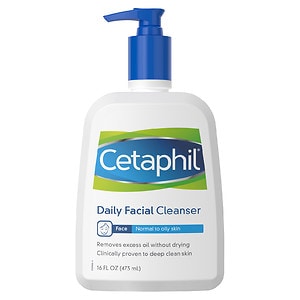
Here's an example. Let's look at Cetaphil Daily Skin Cleanser, Normal to Oily Skin. Its ingredients are:


Water (Purified), Sodium Lauroyl Sarcosinate, Acrylates/Steareth 20 Methacrylate Crosspolymer, Glycerin, PEG 200 Hydrogenated Glyceryl Palmate, Sodium Laureth Sulfate, Butylene Glycol, PEG 7 Glyceryl Cocoate, Phenoxyethanol, Masking Fragrance (Parfum), Panthenol, PEG 60 Hydrogenated Castor Oil, Disodium EDTA, Methylparaben


I've highlighted the toxic ingredients from this previous list in red. This does NOT include all of the toxins in the product. That said, I might as well give you a list of more toxic chemicals to avoid.


More Toxic Chemicals to Avoid

  • Talc: Talc belongs in the same family as asbestos and is dangerous to breathe. It has also been linked to ovarian cancer.
  • PVP/VA Copolymer:  These chemicals are derived from petroleum and are used in hairsprays, and cosmetics. They are considered toxic and contribute to foreign bodies in the lungs of sensitive people. 
  •  Isopropyl Alcohol: This is another petroleum-derived substance that is used in anti-freeze and shellac. Inhalation of the vapor or ingestion can lead to headaches, dizziness, mental depression, nausea, vomiting and even coma. 
  • Mineral Oil: Mineral oil is another petroleum derivative. It coats the skin like plastic wrap, preventing it from breathing, absorbing nutrients and excreting toxins. This slows the skin's natural cell development, causing premature aging. Baby oil is 100% mineral oil and bad for your baby's skin. 
  •  Toluene: Toluene can be found in many nail products, such as nail color. Exposure can lead to headache, dizziness, fatigue, eyes, nose & throat irritation, and reproductive and developmental harm.
  •  Benzyl Acetate: This is a solvent, often hidden within the ingredient "fragrance." It is linked to pancreatic cancer and is a possible neurotoxin. 
  •  Bronopol: This is a preservative, which is already restricted in Canada. It is toxic to the immune system, skin, and lungs. 
  • Quaternium-15: This is another preservative that breaks down in formaldehyde. Exposure leads to allergic reactions and dermatitis. It can be found in skin and haircare products. 

Monday, January 20, 2014

Health based on where you live: Fenceline Communities.

Although we are all exposed to the over 80,000 chemicals that have been created since the modern chemistry era, some are more exposed than others. Across the country and around the world, communities exist in close proximity to chemical factories, toxic waste dumps, landfills and other toxic sites. These are called fenceline communities, because often, a fence is all that separates their communities from the polluted land. Those who live in these communities are exposed to more toxic chemicals and suffer more adverse health effects than the rest of us. These communities also tend to be disproportionately minority and of lower economic classes.

One example of a fenceline community is Mossville, LA, also known as Cancer Alley. Mossville is predominantly African American community surrounded by 14 petrochemical plants.


The town has been ravaged by illness and it has been difficult for people to move since no one wants to move a town surrounded by factories.
"I got cancer. My dad had cancer. In fact, he died of cancer. It's a lot of people in this area who died of cancer," says Herman Singleton Jr., 51, who also lost two uncles and an aunt to cancer.
Another example is the small town of Savoonga on St. Lawrence, AK, in the Bering Strait, near Russia. The town is near an abandoned U.S. military base.
"When the military vacated Northeast Cape in the early 1970s, they left at least thirty-four contaminated sites in a nine-square-mile area. Contamination includes at least 220,000 gallons of spilt fuel, as well as heavy metals, asbestos, solvents, and PCBs which are known to cause cancer."
The town is still suffering the effects. In a village of 800, two babies were born without brains.
"As a result of these daily exposures to toxic chemicals, those of us who live in remote places like Alaska and the Arctic have some of the highest levels of toxic chemicals in our own bodies. On St. Lawrence Island we have very high levels of PCBs in our traditional foods and in our bodies, up to 10 times higher than average U.S. levels. Yupik women within the Yukon-Kuskokwim Delta area of Alaska have the highest levels of PBDEs -- toxic, flame-retardant chemicals -- in their blood. These chemicals have been linked to serious diseases such as cancer, diabetes, learning disabilities, birth defects and reproductive harm. People in my community are being harmed by all these diseases. Last year, we lost 19 people from cancer in a community of about 1,200."


"“We are tired of our communities being ‘sacrifice zones’ or ‘kill zones,’ ” Ms. Roberts added.


Ms. Roberts was referring to what the environmental injustice movement refers to as “the disproportionate” pollution burden borne by communities of color and poorer White communities, often located near freeways, power plants, toxic waste sites, oil refineries, rail yards, chemical plants and other major sources of pollution."
No one should have to live like this. In the battle against toxic chemicals, we can't forget our brothers and sisters in fenceline communities around the globe. 

Saturday, January 18, 2014

The Importance of Being Your Own Health Advocate

I haven't been feeling well these past few days and I've been thinking a lot about the connection between the chemicals I'm exposed to and my health. The sad thing is, most health professionals don't or won't ask about the chemical-health connection when you go in for a visit.


I try to be as non toxic as I can when it comes to the personal care products I use. I try to eat a healthy diet and live a healthy lifestyle, but unfortunately chemical exposure is unavoidable.  There are over 80,000 chemicals in our homes and the environment, some of them persisting for over a million of year. Some medications taken by our grandmothers may even have an affect on us, like the supposed anti-miscarriage drug diethylstilbestrol or DES.

Even the products that claim to be safe may be misleading. For example, some manufacturers have replaced the estrogenic bisphenol A (BPA) with the still toxic BPS. There are also "non toxic" companies that still use fragrances and perfumes in their products.


This is why label reading is a must. Just like you read for nutritional data, we must begin to read for toxicity data. When you go to the doctor, talk to them about any chemicals that you may have been exposed to. If you work in a chemical factory, tell them and express your concerns. Take a proactive and preventative role in your own healthcare, particularly if you are pregnant or have young children.


Thursday, January 16, 2014

Toxic baggage: a journey to healthier living: Ava Anderson at TEDxMosesB...


Above is a speech given by Ava Anderson at a Tedx Talk at the Moses Brown School in 2013. At the age of 14, young Ava Anderson first learned about the dangers of toxic chemicals in personal care products. She went on to start a blog to inform people about the dangers, but she wondered if she could do more. At age 15, she started her own line of personal care products that don't contain any
toxins. Today her company, Ava Anderson Non Toxic, boasts consultants all over the US, myself included. The company stresses education about toxins and what they can do to your health and the health of your family. My previous post Toxic Chemicals to Avoid was taken largely from an Ava Text.

Wednesday, January 15, 2014

The Link Between GMOs and Pesticides

One of the reasons I am in favor of GMO labeling is that GMO technology is often used to increase a food product's hardiness to increased pesticide application. In other words, a GM crop can doused in greater amounts of pesticide. Below are some GMO crops that can take increased applications of the pesticide Roundup. Roundup is a particularly worrisome pesticide.

Roundup is the world's most popular herbicide and is sprayed over millions of acres of crops each year.  The active ingredient in Roundup is glysophate. Glysophate residues have been found in food. Recent research has linked the chemical to infertility, cancers, and Parkinson's Disease.

Those residues enhance the damaging effects of other food-borne chemical residues and toxins in the environment to disrupt normal body functions and induce disease, according to the report, authored by Stephanie Seneff, a research scientist at the Massachusetts Institute of Technology, and Anthony Samsel, a retired science consultant from Arthur D. Little, Inc. Samsel is a former private environmental government contractor as well as a member of the Union of Concerned Scientists.
"Negative impact on the body is insidious and manifests slowly over time as inflammation damages cellular systems throughout the body," the study says.

In 2015, the EPA will determine if the use of glysophate should be limited, after a standard registration review. All pesticides are registered with the EPA.


Monday, January 13, 2014

Toxic Chemicals to Avoid

I thought I would devote a post to listing some chemicals that we need avoid that are in the products we happen to use everyday. I should add the disclaimer that as a consultant for Ava Anderson Non Toxic, I go over some of this list at parties and I do offer products that do not contain these chemicals as  they pertain to personal care products. That said, this list is still valuable information for all consumers. The truth is, these chemicals shouldn't be in any products and consumers shouldn't need a degree in order to understand the information on the back on the products they purchase. There are over 80,000 chemicals on the market, the vast majority having never been tested for safety.  For more information on this issue, please see sources below.

Many of the chemicals on the list are endocrine disruptors, meaning they disrupt the body's endocrine (hormone) system by mimicking or blocking our normal hormonal signalling pathways. Our endocrine system regulates ALL of the body's biological processes, including brain and nervous system development, blood sugar levels, metabolism, growth and function of the reproductive system, the pituitary, adrenal, and thyroid glands. According to the UN and World Health Organization, endocrine disrupting chemicals (EDCs) and are a global threat and can be a threat to the developing fetus.

Safer Chemicals Healthy Families
The Campaign for Safer Cosmetics
Women's Voices for the Earth
The Breast Cancer Fund
The Story of Cosmetics


Chemicals to Avoid
  • Fragrance/Parfum/Perfume: This is a term used by industry to hide thousands of other toxic  chemicals. More than 3/4 of the time, this term is used to hide the presence of phthalates (THAL ates), which are known endocrine disruptors.  Phthalates are linked to birth defects, infertility, breast cancer, liver cancer, obesity, and diabetes.
  • Triclosan: This is the active ingredient in "anti-bacterial" products. It's registered with the EPA as a pesticide and is also a known endocrine disruptor, disrupting thyroid function.
  • Parabens: Parabens are preservatives linked to breast cancer, endocrine disruption, developmental defects, and reproductive toxicity.
  • Oxybenzone and Octinoxate: These are chemical UV filters found in many spf products and suncreens. They are also known endocrine disruptors. 
  •  DEA (Diethanolamine), MEA (Monoethanolamine), TEA (Triethanolamine): These are endocrine disrupting chemicals that have strong links to liver and kidney cancer.
  • Petrolatum: This is a derivative of petroleum. It is a carcinogen and an endocrine disruptor.
  •  PEGs (polyethylene glycol): These are byproducts of petrolatum. During the manufacturing process, the carcinogenic contaminant 1-4 dioxane is created.
  •  Sodium Lauryl Sulfate (SLS) & Sodium Lauryth Sulfate (SLES): These chemicals are considered carcinogens. SLES can be contaminated with 1-4 dioxane, although you will never see 1-4 dioxane on the label. Manufacturers aren't required to list carcinogenic contaminants. 
  • Ingredients that end in -eth:  Examples are triceteareth and ceteareth. These can also be contaminated with 1-4 dioxane. 
  • Retinyl Palmitate:  This can be found in many sunscreens and moisturizers, however in the presence of sunight, it enhances skin cancer lesions by 21% (FDA, 2011).
  •  Synthetic Colors: These are made from coal tar and are labeled as FD&C or D&C followed by a color and a number, for example, FD&C Red No. 6. These are carcinogenic and have been linked to behavioral problems in children.

Saturday, January 11, 2014

There's trouble in the water

The recent chemical spill in the Elk River in West Virgina has left 9 counties and hundreds of thousands of people without water for drinking, washing or other daily water usage. It has affected homes, and businesses. On January 9, an unknown amount, believed to be in the thousands of gallons,  of the chemical foaming agent 4-methylcyclohexane methanol leaked into the river.


4-methylcyclohexane methanol is a colorless liquid used to clean coal. Exposure can lead to dizziness and nausea, along with skin and eye irritation. This chemical is dangerous if inhaled or ingested. The chemical leaked from tanks owned and maintained by Freedom Industries, which will be held responsible for the cleanup.

This spill has again highlighted the need for greater chemical security measures and regulations for chemical start-up, shutdown and malfunction procedures. Companies should have written procedures to prevent accidents on start-up, shutdown and during malfunctions. There also needs to be more protections for citizens who live near these areas who will be affected by these chemical disasters. Unfortunately, right now, the burden is put on the citizens and not the industries. This needs to be reversed. In August, Obama signed an Executive Order to improve chemical security in the US, since it is also a national security issue, but the industry is fighting it by busing its own people into hearings and threatening job security for its employees. This is unfair and continues the falsehood that a clean, healthy environment must come at the cost of jobs.